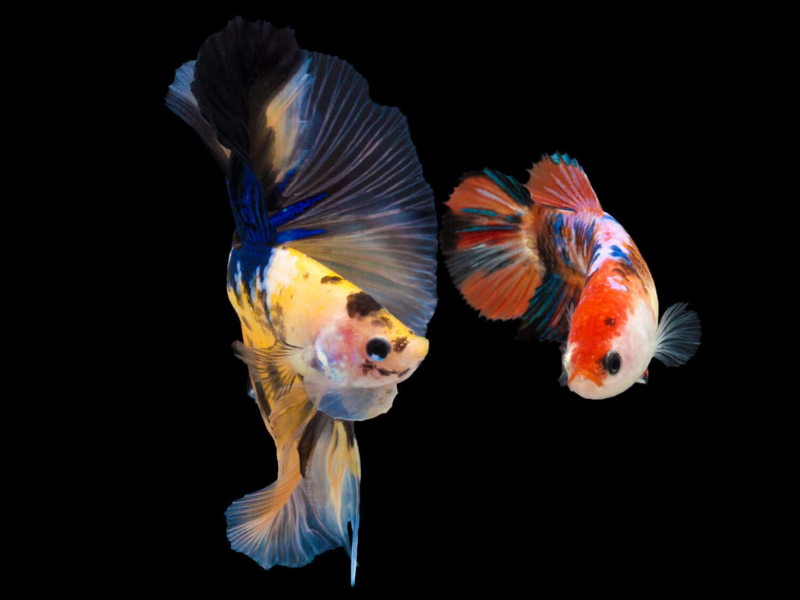
Betta fish, often called Siamese Fighting Fish, are renowned for their stunning colors, flowing fins, and distinctive personalities. They are among the most popular aquarium fish, captivating enthusiasts with their elegance and vibrant displays. However, despite their widespread appeal, there are many misconceptions about their care requirements. Often seen in small bowls or vases, these practices unfortunately do not reflect the conditions necessary for a Betta to truly thrive.
Caring for a Betta Splendens goes beyond providing a beautiful facade; it involves understanding their natural habitat and replicating it as closely as possible in your home aquarium. This guide will walk you through the essential steps to ensure your Betta lives a long, healthy, and happy life, covering everything from the ideal tank setup to proper nutrition and health monitoring.
Understanding Betta Splendens
Before diving into the specifics of care, it's helpful to understand the Betta's origins. Native to the shallow, slow-moving waters of Southeast Asia, such as rice paddies, canals, and floodplains, Bettas are labyrinth fish. This means they possess a special organ allowing them to breathe air directly from the surface, a trait that unfortunately contributes to the myth that they can survive in tiny, unfiltered containers. While they can survive in such conditions, they certainly won't thrive. In their natural environment, they have access to vast expanses of water, even if shallow, and a dynamic ecosystem.
The Right Home: Tank Size and Setup
Providing the correct environment is the cornerstone of good Betta care.
Tank Size
Minimum 5 Gallons: While you might see Bettas in 1-gallon tanks, a minimum of 5 gallons is crucial for their well-being. This allows for stable water parameters, swimming space, and room for necessary equipment. Larger is always better, but 5 gallons is a great starting point for a single Betta.
Heating
Consistent Temperature: Bettas are tropical fish and require warm water, ideally between 75-80°F (24-27°C). A reliable aquarium heater with a thermostat is essential to maintain this stable temperature, preventing stress and illness.
Filtration
Gentle Flow Filter: A filter is vital for removing waste and keeping the water clean. However, Bettas prefer low-flow environments due to their large fins. Opt for a sponge filter or a hang-on-back filter with a baffle to reduce current.
Substrate, Plants, and Decor
Soft Substrate: Gravel or sand is suitable. Ensure any gravel is not too sharp.
Live or Silk Plants: Bettas love to rest and explore. Live plants (like Anubias, Java Fern, or Amazon Swords) not only provide shelter but also help improve water quality. If using artificial plants, choose silk over plastic to prevent fin damage.
Hiding Spots: Include caves, driftwood, or Betta leaves (suction-cup leaves designed for Bettas to rest on near the surface) to give your fish places to feel secure.
Lid: Bettas are known jumpers, so a secure lid is a must.
Water Quality is Key
Clean, stable water is paramount for your Betta's health.
Cycling Your Tank: Before introducing your Betta, it's crucial to cycle your aquarium. This process establishes beneficial bacteria that convert toxic ammonia and nitrite into less harmful nitrate.
Water Conditioner: Always use a high-quality water conditioner to neutralize chlorine and chloramines from tap water during initial setup and every water change.
Regular Water Changes: Perform a 25% water change weekly. This removes accumulated nitrates and replenishes essential minerals.
Test Parameters: Invest in a liquid test kit (strips can be less accurate) to monitor ammonia, nitrite, nitrate, and pH levels. Aim for 0 ammonia, 0 nitrite, and low nitrates (under 20 ppm), with a pH between 6.5 and 7.5.
Feeding Your Betta
Bettas are carnivorous, and a proper diet is crucial for their vibrant colors and overall health.
High-Quality Pellets: The primary diet should consist of specialized Betta pellets or flakes. Look for brands with high protein content and minimal fillers.
Variety is Essential: Supplement their diet with frozen or live foods like bloodworms, brine shrimp, or daphnia a few times a week. This provides essential nutrients and enrichment.
Portion Control: Feed small amounts, usually 2-3 pellets or a few pieces of frozen food, once or twice a day. Only feed what your Betta can consume within 2-3 minutes. Overfeeding leads to digestive issues and pollutes the water.
Fasting Day: Many owners opt for one fasting day per week to aid digestion and prevent bloat.
Tank Mates and Temperament
Betta Splendens are famously territorial and, as their name suggests, can be aggressive. While some individuals are more docile, it's generally best to keep a single male Betta in its own tank.
Males: Never house two male Bettas together, as they will fight to the death.
Females: Female Bettas can sometimes be kept in a 'sorority' of 5+ females in a much larger tank (20+ gallons), but this requires careful planning and monitoring and is not recommended for beginners.
Compatible Tank Mates (with caution): If you have a larger tank (10+ gallons for a male Betta), some peaceful, bottom-dwelling species like Mystery Snails, Nerite Snails, Otocinclus catfish, or small Corydoras species can sometimes coexist. Avoid anything with long, flowing fins or bright colors that might be mistaken for another Betta.
Health and Wellness Checks
Regular observation of your Betta can help you catch potential health issues early.
Observe Behavior: A healthy Betta is active, curious, and eats eagerly. Look for changes in swimming patterns, lethargy, or hiding more than usual.
Check Appearance: Inspect their fins for tears, rot, or clamped appearance. Look for any unusual spots, growths, or changes in color.
Common Ailments: Be aware of common Betta diseases like Fin Rot (bacterial, often due to poor water quality), Ich (white spots, parasitic), and Dropsy (swollen body, often a symptom of organ failure). Clean water is the best preventative.
Conclusion
Caring for a Betta Splendens is a rewarding experience that requires dedication and understanding. By providing a spacious, heated, and filtered environment with clean water, a nutritious diet, and plenty of enrichment, you're not just keeping a pet – you're allowing a magnificent creature to truly flourish. Remember that each Betta has its own unique personality, so take the time to observe and learn what makes your specific fish happy. With consistent care and attention to detail, your Betta will display its full spectrum of beauty and character, becoming a vibrant centerpiece in your home.