Your Guide to Neocaridina Shrimp Breeding
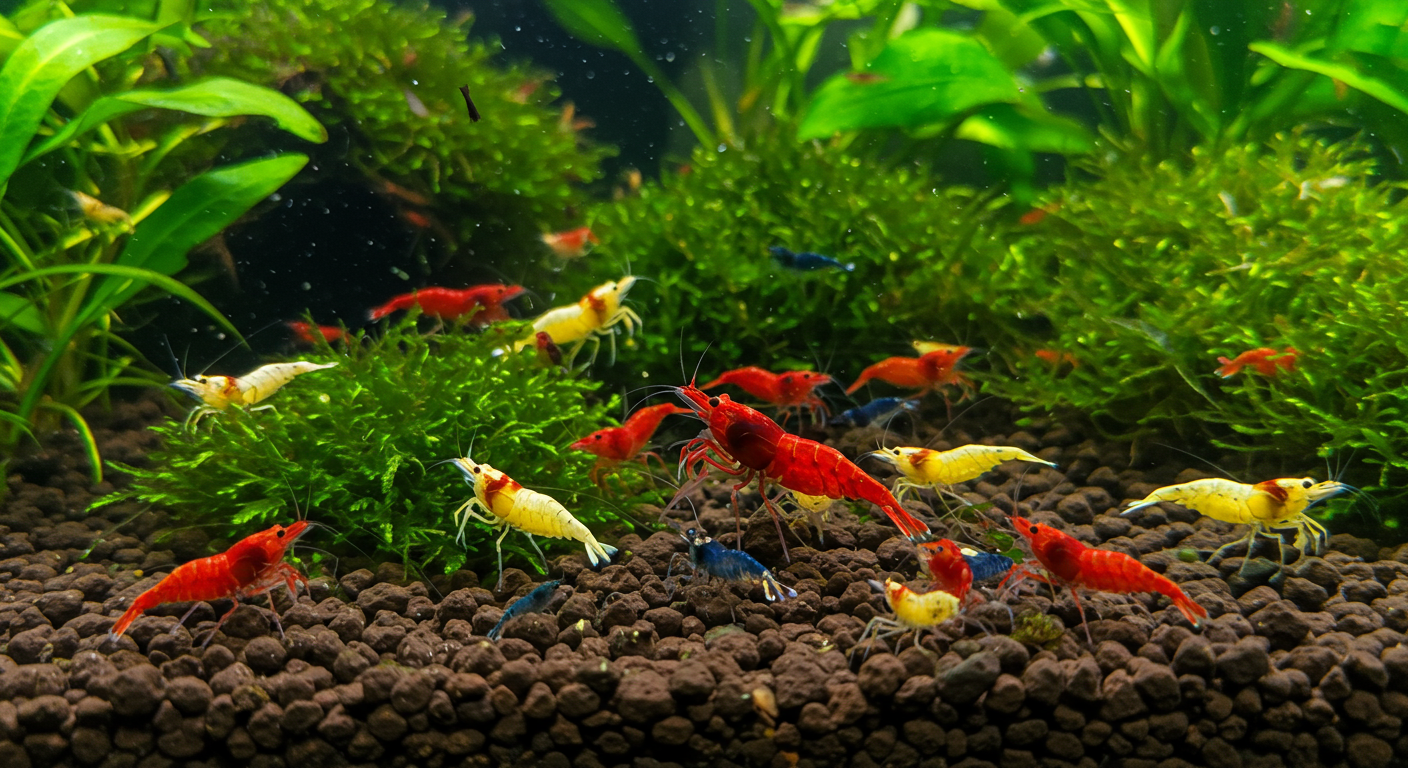
There's something uniquely captivating about a thriving aquarium, and a colony of colorful Neocaridina shrimp adds a special kind of magic. Watching these tiny, bustling creatures explore their environment is a joy, but seeing your colony grow through successful breeding is one of the most rewarding experiences in the aquarium hobby. Whether you have vibrant Cherry Shrimp, brilliant Blue Dreams, or sunny Yellows, the process is surprisingly straightforward.
If you've been wondering how to go from a small group of shrimp to a self-sustaining colony, you're in the right place. This guide will walk you through everything you need to know about Neocaridina shrimp breeding, from creating the perfect environment to caring for the tiniest shrimplets.
Setting the Stage: The Ideal Breeding Environment
Before you can expect your shrimp to breed, you need to provide them with a safe, stable, and comfortable home. Stressed shrimp will not breed, so getting the basics right is the most critical step.
Tank Setup and Size
While Neocaridina shrimp can live in smaller tanks, a 10-gallon (or larger) aquarium is ideal for a breeding colony. A larger volume of water is more stable, meaning parameters like temperature and water chemistry are less likely to swing dramatically. Equip the tank with a gentle filter; a sponge filter is the top choice for shrimp keepers. Its gentle flow won't harm delicate shrimplets, and the sponge itself becomes a feeding ground, trapping biofilm and tiny food particles.
Crucial Water Parameters
Stability is more important than chasing a single “perfect” number. Neocaridina are hardy, but they thrive within a specific range. Aim for the following parameters:
Temperature: 72-78°F (22-26°C). Warmer temperatures can speed up the breeding cycle.
pH: 6.8-7.8
GH (General Hardness): 6-10 dGH. This is crucial for healthy molting.
KH (Carbonate Hardness): 2-6 dKH. This helps stabilize the pH.
TDS (Total Dissolved Solids): 150-250 ppm
Use a reliable water testing kit, like the API Master Test Kit, and a TDS meter to monitor your water regularly.
Creating a Shrimp Paradise
Once your tank is cycled and the water is stable, it's time to add the finishing touches that encourage natural behaviors and make your shrimp feel secure.
Plants and Hiding Spots
A well-planted tank is a happy shrimp tank. Live plants serve multiple purposes:
Provide cover: They offer hiding places for molting shrimp and tiny shrimplets.
Cultivate biofilm: Plant surfaces are a primary source of biofilm, the main food for baby shrimp.
Improve water quality: Plants help process nitrates and oxygenate the water.
Great plant choices include Java Moss, Hornwort, and Subwassertang. Adding botanicals like cholla wood or Indian almond leaves can also provide excellent grazing surfaces.
Selecting Your Breeding Stock
To start your shrimp breeding project, you need healthy males and females. Distinguishing between them is fairly easy once you know what to look for:
Females: They are typically larger, more intensely colored, and have a rounded, curved underbelly. You may also see a yellowish-green “saddle” on their back, which is their undeveloped eggs.
Males: They are usually smaller, less colorful, and have a flatter, more streamlined underbelly.
Starting with a group of 10 to 20 shrimp gives you a great chance of having a good mix of both sexes. When you bring them home, be sure to acclimate them slowly using the drip method to avoid shock.
The Shrimp Breeding Cycle: What to Expect
When your shrimp are happy and mature (around 3-4 months old), nature will take its course. The process is fascinating to watch.
Molting and Mating: A female becomes ready to mate right after she molts. She releases pheromones into the water, which sends the males into a frenzy. You'll see them swimming frantically around the tank in search of her.
The "Berried" Female: After a successful mating, the female transfers the fertilized eggs from her saddle to her swimmerets (the small legs under her tail). She is now “berried.”
Incubation: The female will carry these eggs for about 25-35 days. During this time, she constantly fans them with her swimmerets to keep them clean and oxygenated.
Hatching: The eggs will hatch into miniature, fully-formed versions of the adult shrimp. A single female can release 20-30 shrimplets at a time.
Caring for the Shrimplets
Congratulations, you have baby shrimp! The good news is that they require very little special care, provided the tank is mature and stable.
The most important thing for shrimplets is a readily available food source. A mature tank with plenty of plants and biofilm provides all the food they need for the first few weeks. You can supplement with powdered foods like Bacter AE or crushed shrimp pellets to ensure everyone gets enough to eat.
Avoid large water changes during this time, as shrimplets are extremely sensitive to sudden shifts in water parameters. Stick to small, regular water top-offs and minimal maintenance.
Conclusion: Patience is the Key
Successful Neocaridina shrimp breeding is less about intervention and more about creating a stable, healthy environment and letting the shrimp do what comes naturally. By focusing on clean water, a proper diet, and a secure habitat, you'll soon be rewarded with a bustling, multi-generational colony.
The process is a fantastic lesson in patience and observation. Before you know it, you'll be watching dozens of tiny shrimp zipping around your tank, a clear sign that your efforts have paid off. Happy shrimping!