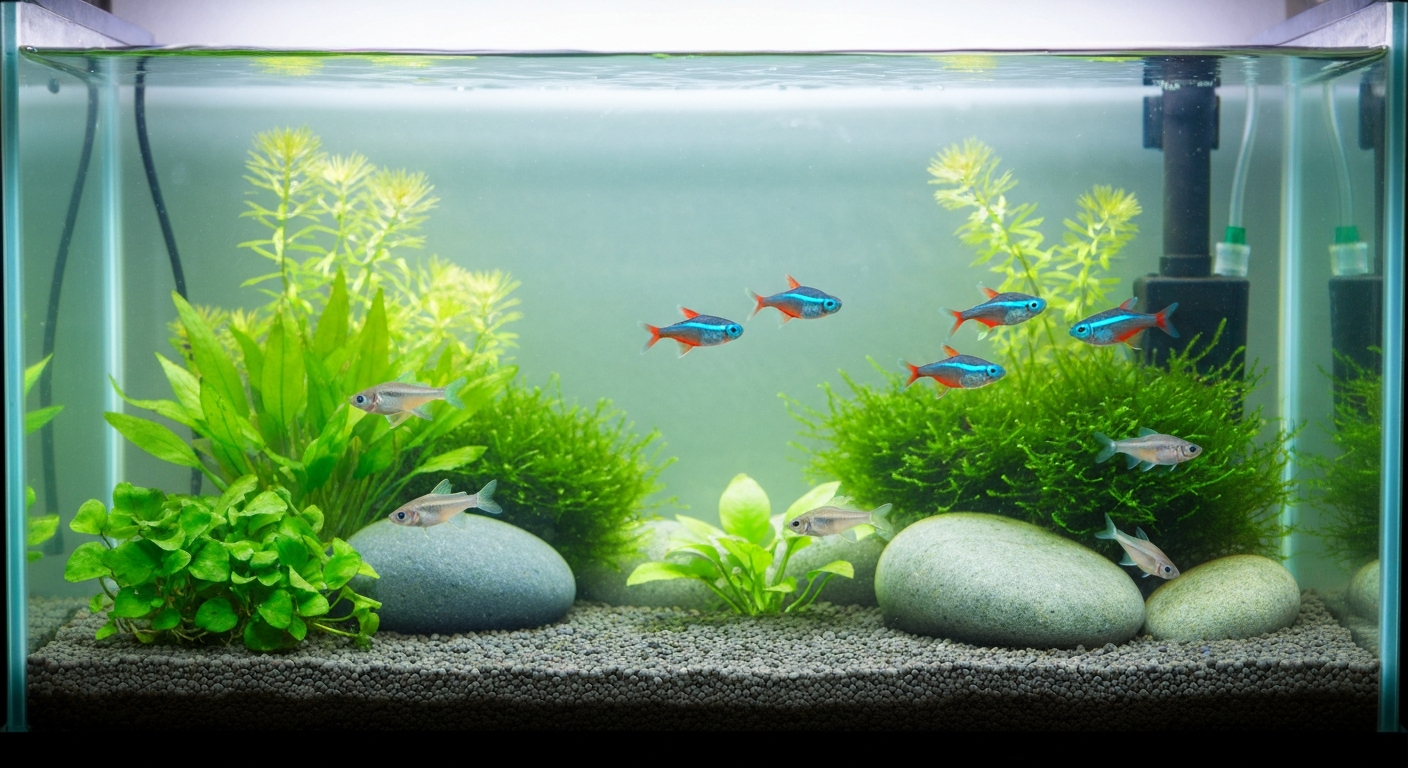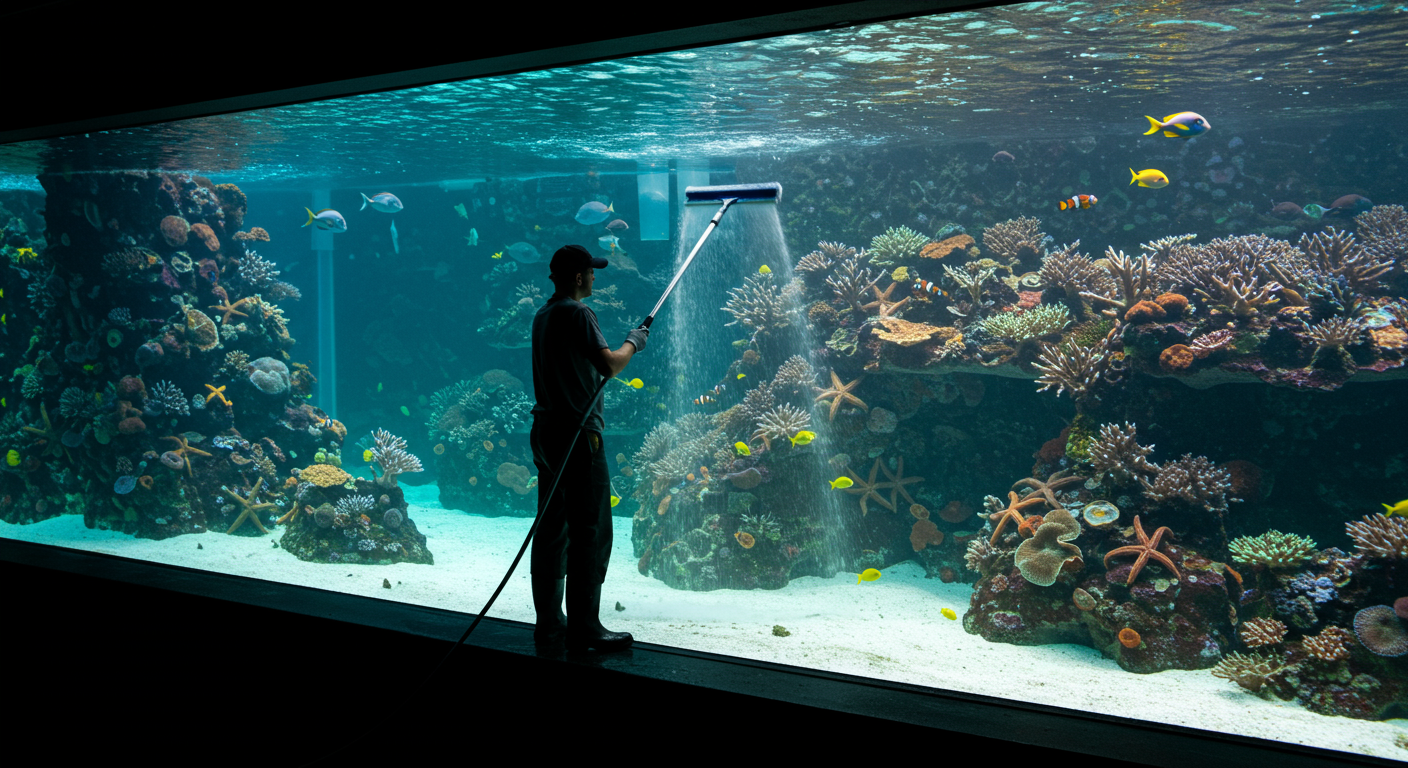
Maintaining a thriving freshwater aquarium is a rewarding hobby, but it comes with responsibilities. Among the most crucial tasks for the health and longevity of your aquatic inhabitants is the regular water change. It might seem daunting at first, especially if you're new to the world of fish keeping, but once you understand the 'why' and 'how,' it becomes a straightforward and essential part of your routine. This comprehensive guide will walk you through everything you need to know about performing effective water changes, ensuring your fish live in a clean, healthy, and vibrant environment.
Why Water Changes Are Crucial for Your Aquarium
Think of your aquarium as a miniature ecosystem. Over time, fish waste, uneaten food, and decaying plant matter break down, releasing harmful substances like ammonia, nitrites, and eventually nitrates. While your filter does an excellent job of converting ammonia and nitrites into less harmful nitrates, nitrates still accumulate and can become toxic at high levels. Regular water changes address several key issues:
Removes Harmful Nitrates: This is the primary reason. High nitrate levels stress fish, weaken their immune systems, and can lead to disease or even death.
Replenishes Essential Minerals: Tap water contains vital trace elements that fish and plants utilize. These are depleted over time, and a water change reintroduces them.
Maintains Stable Water Parameters: Regular changes help prevent drastic shifts in pH, hardness, and other crucial water parameters, which can be detrimental to fish health.
Improves Water Clarity: By removing dissolved organic compounds and particulate matter, water changes enhance the aesthetic appeal of your tank, making it sparkle.
How Often Should You Change Water?
There's no one-size-fits-all answer, but a general rule of thumb for most freshwater aquariums is to perform a 25% water change every one to two weeks. Several factors can influence this frequency:
Tank Size and Fish Load: Smaller tanks and tanks with a high number of fish (higher bioload) will accumulate nitrates faster, requiring more frequent changes.
Filtration: Robust filtration can help, but it doesn't eliminate the need for water changes.
Feeding Habits: Overfeeding contributes significantly to waste accumulation.
Water Test Results: The most accurate way to determine frequency is by regularly testing your water for nitrates. If they are consistently rising above 20-40 ppm, you might need more frequent or larger changes.
What You'll Need
Before you begin, gather your tools:
Dedicated Bucket(s): Never use buckets that have been used for household cleaners. Keep one specifically for aquarium use.
Gravel Vacuum/Siphon: Essential for removing water and cleaning the substrate simultaneously.
Dechlorinator/Water Conditioner: Crucial for neutralizing chlorine and chloramines in tap water.
Aquarium Heater (optional): If you're refilling with water significantly colder than your tank, you might want to pre-heat it.
Thermometer: To ensure the new water matches the tank's temperature.
Algae Scraper (optional): For cleaning tank glass.
Paper Towels or Rags: For spills.
Step-by-Step Guide to a Freshwater Aquarium Water Change
Step 1: Preparation is Key
Begin by gathering all your supplies. It's also a good idea to unplug your aquarium heater and filter (especially canister filters) to prevent them from running dry or being damaged during the process. This also protects your fish from potential electrical hazards if water levels drop significantly.
Step 2: Siphon Out the Old Water
Place your dedicated bucket on the floor, lower than the aquarium. Submerge the wide end of your gravel vacuum into the tank. You can start the siphon by either sucking briefly on the end of the hose (make sure to spit it out quickly!) or by rapidly plunging the gravel vacuum up and down in the water until water starts flowing into the bucket. Once the siphon is established, move the gravel vacuum around the bottom of your tank, pressing it into the substrate to suck up detritus and fish waste while removing water. Aim to remove about 25% of your tank's total volume. For example, a 20-gallon tank would require removing 5 gallons.
Step 3: Clean the Tank (Optional but Recommended)
While the water level is down, this is a great time to scrape any algae off the glass with your algae scraper. You can also gently wipe down decorations if they have accumulated grime.
Step 4: Prepare the New Water
Fill your bucket(s) with fresh tap water. It's critical that this new water matches the temperature of your aquarium water as closely as possible. Drastic temperature changes can shock and stress your fish. Use your thermometer to verify. Next, add the appropriate amount of dechlorinator/water conditioner according to the product's instructions for the volume of water you are adding. This product neutralizes harmful chlorine and chloramines present in most tap water.
Step 5: Add New Water Back to the Tank
Slowly pour the prepared, temperature-matched water back into your aquarium. Pouring it onto a decoration or a hand placed just below the surface can help minimize disturbance to your fish and prevent stirring up the substrate. Continue adding water until the tank is refilled to its normal level.
Step 6: Restore Power and Monitor
Once the water change is complete, plug your filter and heater back in. Observe your fish for a while to ensure they are not showing any signs of stress. They should quickly acclimate to the refreshed water.
Common Mistakes to Avoid
Changing Too Much Water: While tempting to do a 'big clean,' changing more than 50% (and often more than 25-30%) at once can cause a dramatic shift in water parameters, shocking your fish.
Forgetting Dechlorinator: This is a fatal mistake. Chlorine and chloramines are lethal to fish.
Not Matching Temperature: Sudden temperature shifts are a major stressor for fish.
Using Household Cleaners: Never use soaps, detergents, or other chemicals on any aquarium equipment. Residual chemicals can poison your fish.
Conclusion
Regular water changes are arguably the most impactful thing you can do to maintain a healthy and vibrant freshwater aquarium. By consistently removing accumulated toxins and replenishing vital elements, you create an optimal environment where your fish can thrive, display their natural behaviors, and live long, healthy lives. While it requires a bit of effort, the reward of a sparkling clean tank and happy, energetic fish is well worth it. Make water changes a consistent part of your aquarium maintenance schedule, and you'll be well on your way to mastering the art of fish keeping.